Meme Frenzy
- Get link
- X
- Other Apps
The Evolution of Memes: From Inside Jokes to Global Phenomenons
In the world of digital culture, memes have evolved from simple, humorous images with captions to a global language that transcends borders and unites people through humor, satire, and shared experiences. Whether you're scrolling through social media, reading online articles, or participating in viral challenges, memes are everywhere. But what exactly are memes, and how did they become so ingrained in our daily lives?
What is a Meme?

The term "meme" itself was coined by British evolutionary biologist Richard Dawkins in his 1976 book The Selfish Gene. Dawkins used it to describe an idea, behavior, or style that spreads from person to person within a culture. Though he wasn't referring to internet memes, the concept aligns perfectly with the viral nature of today's digital memes.
Early Days of the Meme Culture
The origins of meme culture can be traced back to the early days of the internet. As soon as digital platforms allowed for easy image sharing, users began to create and circulate funny or relatable pictures. In the late 1990s and early 2000s, memes started appearing on websites like 4chan, Something Awful, and YTMND (You're the Man Now, Dog), where early internet denizens could share humorous images with quick captions.

One of the earliest viral memes to gain widespread attention was the "Dancing Baby" (aka "Baby Cha-Cha-Cha"), a 3D-rendered animation of a baby dancing. It quickly spread across emails and early web forums, marking the first viral video meme. These early memes were simple by today's standards but laid the foundation for the meme culture we now recognize.
The Rise of Social Media and Memes
Around the mid-2010s, memes began to evolve from just funny images into a form of social commentary. Memes became a tool for expressing political opinions, social justice movements, and cultural critiques. Think of the "Distracted Boyfriend" meme, which portrayed a man ignoring his girlfriend in favor of a more attractive option. It became a canvas for expressing everything from relationship dynamics to societal shifts, all wrapped up in a simple image that anyone could remix.
The introduction of meme-making apps like Mematic and iFunny further democratized meme creation, allowing virtually anyone with a smartphone to produce and share their own meme content.
The Power of Memes in Modern Culture
Today, memes have become more than just a source of entertainment. They've become an essential part of how we communicate. From everyday jokes to poignant political commentary, memes have the power to influence opinions, shape trends, and even alter the course of history.
For example, memes played a significant role in the 2016 U.S. Presidential Election, with political memes spreading across social media platforms. Memes can simplify complex political issues into digestible content, often presenting a satirical or humorous take on a politician or an event. The "Bernie Sanders Mittens" meme, featuring the Senator sitting cross-legged at the inauguration with large mittens, became an unexpected symbol of humor and internet culture.
Similarly, memes have been instrumental in social movements such as Black Lives Matter and the #MeToo movement, where they served as a way to express solidarity, raise awareness, and share personal experiences. Their ability to capture emotions and complex issues in a digestible format has made them a powerful tool for activism.
Meme Formats: The Endless Remix
One of the key aspects of meme culture is its inherent remixed nature. A single meme format can be reworked in endless variations, as users take a basic template and add their own twist. The "How It Started vs. How It’s Going" format, for example, has been used by individuals, brands, and celebrities alike to reflect on their personal growth, life changes, or even the evolution of a specific topic or trend.
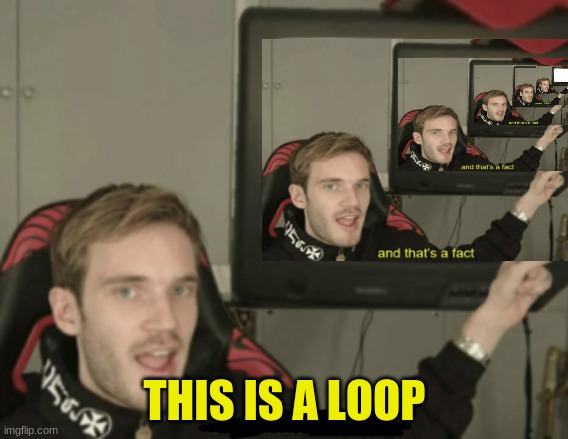
Memes often tap into shared experiences, making them relatable to wide audiences. The popularity of formats like "Mocking SpongeBob" and "Woman Yelling at a Cat" is a testament to how a simple concept can be iterated upon endlessly, creating new memes that resonate with different people and cultures.
Meme Economics: A Business of Viral Content
In addition to their cultural significance, memes have become a lucrative business. The rise of meme marketing, where brands use memes to connect with younger audiences, has turned memes into a powerful tool for advertisers. Companies often use memes to appear more "authentic" or "relatable," especially on platforms like Instagram and TikTok, where younger generations spend much of their time.

Brands like Wendy's, Netflix, and Taco Bell have mastered the art of using memes in their social media strategies, creating viral campaigns that are funny, relatable, and on-brand. By embracing meme culture, these companies tap into a sense of community and shared humor that resonates with their audience.
The Future of Memes
However, there is a growing concern about the impact of memes on mental health, misinformation, and political discourse. As memes have the power to spread rapidly, they can also be used to manipulate opinions or spread harmful messages. While memes are often humorous and lighthearted, they can also be used to reinforce stereotypes or promote toxic behavior. It will be important for society to recognize the responsibility that comes with creating and sharing memes in an increasingly connected world.
Conclusion
Memes are more than just jokes on the internet; they are a reflection of the culture, politics, and social movements of our time. As they continue to evolve, they will undoubtedly remain a staple of online communication and creativity. Whether used for humor, political commentary, or social activism, memes have proven that they can shape conversations, challenge norms, and bring people together in ways that no other form of communication can.
So next time you encounter a meme, remember: it's more than just a funny image—it's part of an ever-changing digital culture that continues to influence and reflect our world. DONT CLICK HERE
- Get link
- X
- Other Apps

Comments
Post a Comment